Eliminate Drain Issues for Good: Stop These 5 Precursors Now
Blocked drains are a common problem that can cause a lot of inconvenience and frustration. They can lead to unpleasant odors, slow draining water, and even sewage backups. Understanding the common causes of blocked drains will help you prevent them in the first place.
Blocked drains are caused by different reasons, and if not adequately addressed, can lead to costly repairs for your home or business. Here are five common causes of blocked drains and how to prevent them:
1. Foreign objects
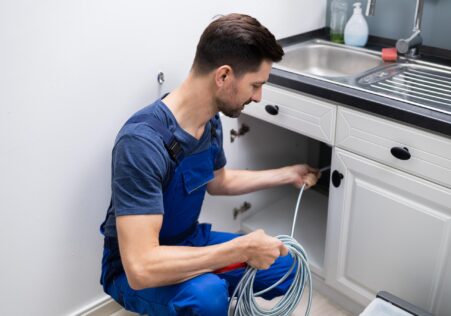
Blocked drains can be caused by foreign objects like hair, food particles, soap residue and paper products. These substances stick to pipes and block water flow.
These blockages can be prevented by:
- Cooking oil should be disposed of in the trash, not the sink
- Do not pour coffee grounds or leftover food into the sink
- Install drain covers in sinks, bathtubs, and shower stalls to prevent hair from accumulating
- Use minimal toilet paper when flushing
2. Tree roots
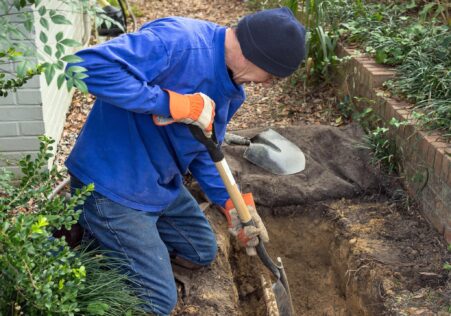
Tree roots can often be found growing toward cracked pipes and pipe joints, where they can infiltrate the pipe and eventually block it completely.
To prevent tree root intrusion:
- Hire professionals to properly install pipes so they’re level
- Avoid planting trees next to sewer lines
3. Grease buildup
Grease buildup is one of the most common causes of residential cookbook problems leading to blockages. Many people pour hot grease down their kitchen sink since it’s liquid form making it easily escapes from dishes but congeals quickly once it cools off deep inside your pipes causing stubborn clogs.
You can dispose of grease-laden oils and other greasy substances in your kitchen sink by emptying the trash into a garbage bin, rather than pouring it into your kitchen drainage system.
4. Structural damage
Blocked drains can be caused by cracked or collapsed pipes, whether they are due to weather changes or age. The following are signs of pipe damage:
- Slowly draining water
- Multiple blocked fixtures
- Mold growth
- Foundation cracks
To prevent structural damages:
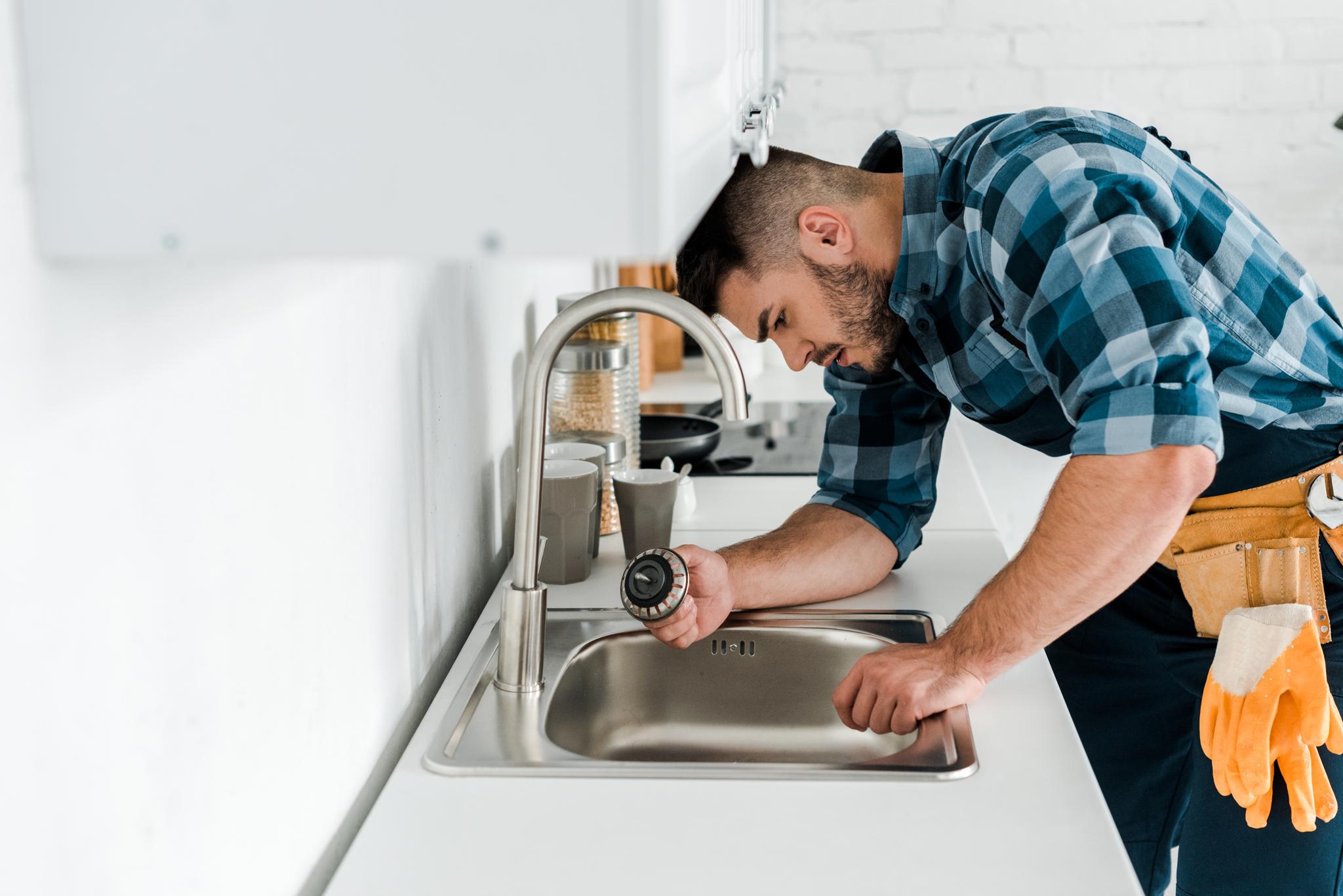
- Regular inspections of your sewer lines with CCTV inspections are recommended so that professional repair companies can detect and correct any problems.
5. Incorrect pipe installation
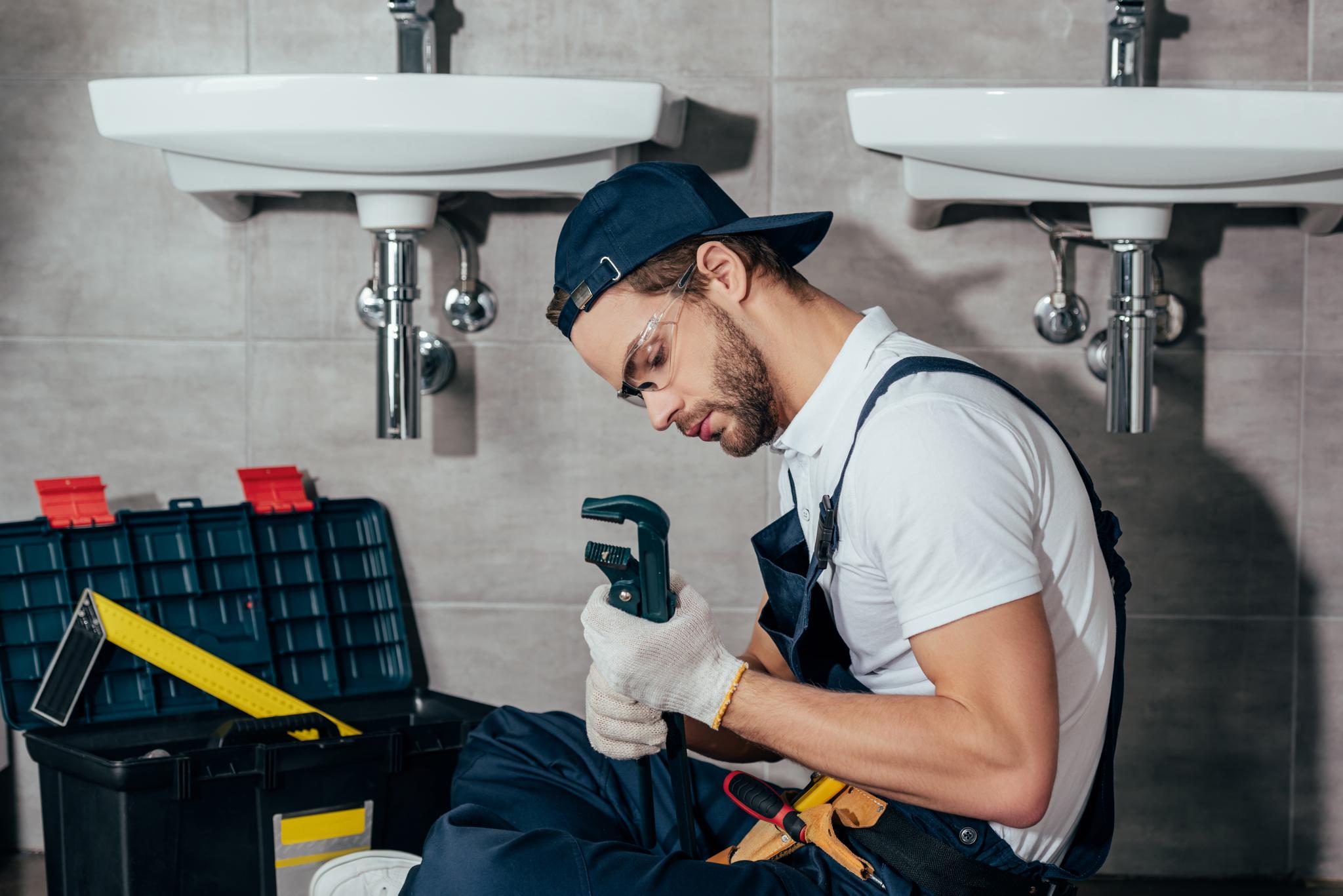
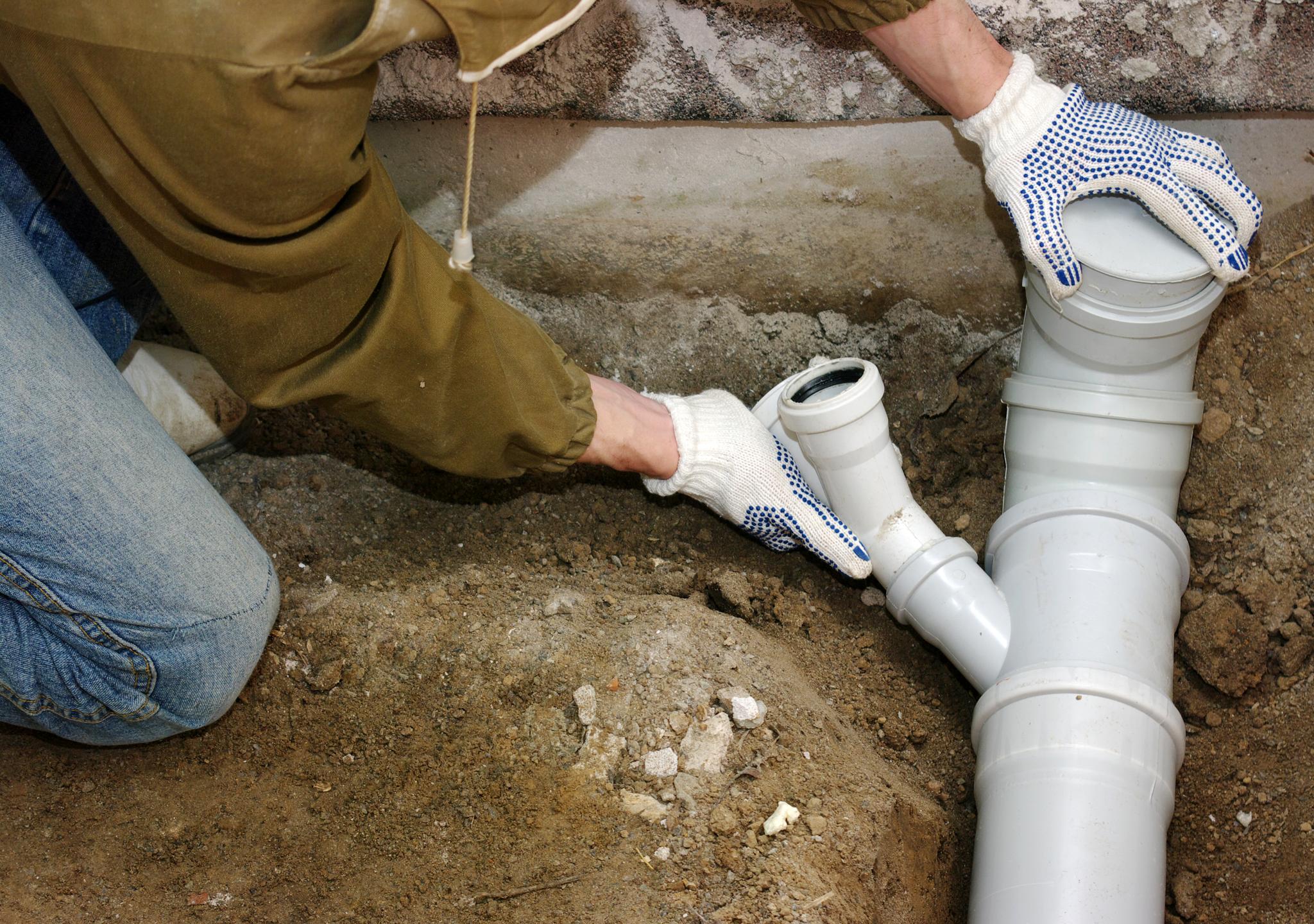
Bad pipe design or incorrect installation can cause blocked drains. It is possible for large debris to build up in unreliable areas, causing blockages.
Hire professionals to install pipes correctly and make sure they meet all standards.
Conclusion
Blocked drains can lead to significant problems if ignored for long periods of time. Be proactive about preventing blockages by taking preventative measures, hiring professionals for regular maintenance checks, following plumbing code requirements during constructions, placing catch baskets on screen traps in sink an drain shower outlets to capture any debris before it reaches the drainage system. Take care of your pipes today to ensure that they remain clear tomorrow and in years ahead.
Key takeaways
Here are some essential things you should remember after reading this article:
- Blocked drains are often caused by foreign objects such as hair, soap residues, paper products, and food particles.
- Tree roots can grow towards water sources like cracked pipes, causing complete obstruction within the pipe.
- Grease buildup deep inside your pipes causes stubborn clogs leading ultimately leads to Blocked Drains.
- Cracked or collapsed pipes caused by weather, age or ground shifts can cause structural damage that impair smooth water flow.
- Incorrect Pipe installations may leave very tight bends susceptible for large debris causing accumulative blockages. from wastes going through drainage system.
- Hire only qualified-professionals plumbers for regular check ups instead of waiting for emergencies.
- Follow standard local plumbing codes during construction.
- Place catch baskets on screen traps at outlets to capture any debris before it reaches the drainage system.